The Evolution of Barbershop Culture in 2026
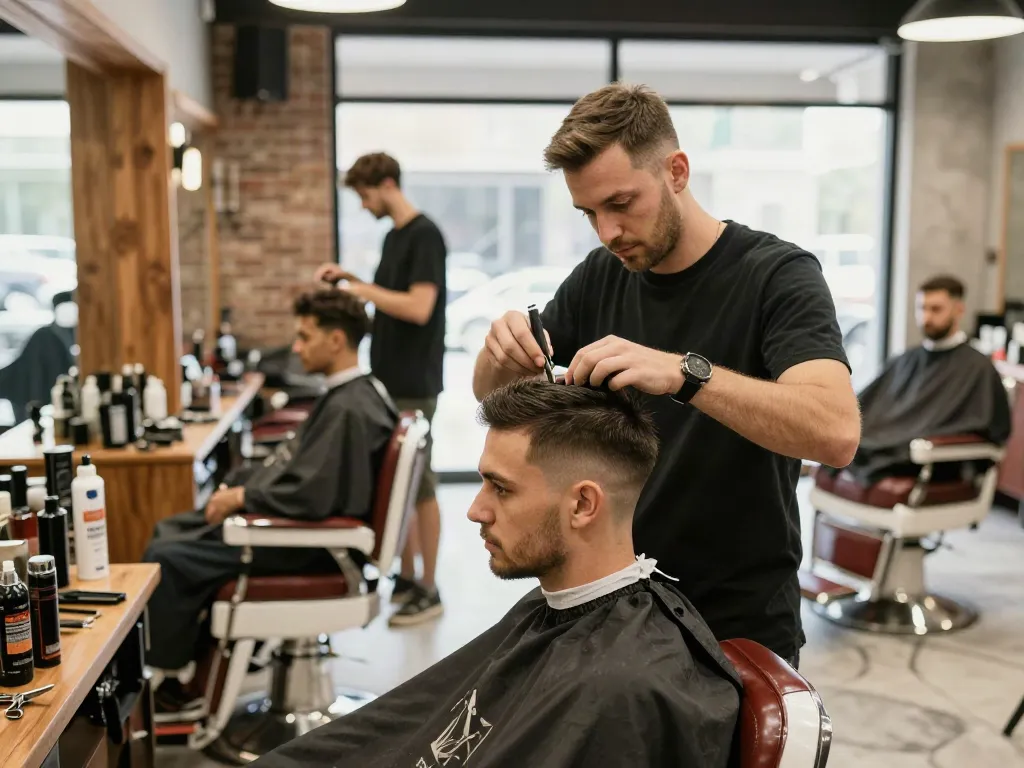
As we enter 2026, the culture surrounding barbershops is witnessing significant transformations driven by various factors including historical influences, customer expectations, and the omnipresence of social media. Barbershops have evolved from mere hair-cutting stations to sophisticated grooming destinations that cater to a diverse clientele. This evolution is not just aesthetic but also philosophical, as barbers are increasingly seen as integral to personal style and care. Understanding these shifts is pivotal for professionals seeking to stay relevant in the ever-competitive grooming industry.
Businesses like rokok88 exemplify how the modern barbershop blends traditional skill with contemporary expectations. The modern barbershop experience is carefully curated to not only deliver impeccable haircuts but also provide an atmosphere that encourages community building, relaxation, and self-expression.
Historical Influences on Modern Barbershops
The concept of barbershops has roots that stretch back centuries, initially serving dual roles as centers for both grooming and medical procedures. Throughout history, barbers were regarded as vital community figures, often providing not just haircuts but also a listening ear. Today, modern barbershops still reflect this legacy, emphasizing the importance of community connections and customer loyalty.
The resurgence of vintage styles and traditional techniques has also played a significant role in shaping the contemporary barbershop scene. Techniques such as straight razor shaves and classic fades are being revived alongside modern innovations, creating a rich tapestry of styles that appeal to diverse customer preferences.
How Trends Are Shaping Customer Expectations
Today's customers are more educated and discerning than ever, expecting personalized experiences tailored to their individual needs. The influence of fashion trends, celebrity styles, and social media has led to a demand for barbers to not only be skilled craftsmen but also trendsetters. This shift is encouraging barbers to engage in constant learning and adaptation, ensuring they can meet the evolving tastes of their clientele.
Moreover, clients are seeking barbershops that provide holistic grooming experiences. Services now often extend beyond haircuts, encompassing facials, beard grooming, and even skincare advice. As a result, barbers are increasingly trained in a broader range of grooming techniques, thus broadening their appeal.
Impact of Social Media on Barbershop Branding
In 2026, social media remains a powerful tool for barbershop branding and marketing. Platforms like Instagram and TikTok allow barbers to showcase their skills through video tutorials and before-and-after transformations. This not only elevates their personal brand but also helps to attract new clients through visually compelling content.
Successful barbershops leverage these platforms to create community interaction, often sharing user-generated content to further endorse their services. The ability to connect with clients online complements the in-person experience, fostering a sense of belonging and loyalty that is invaluable in today’s market.
Innovative Grooming Techniques to Watch
As barbershops continue to innovate, new grooming techniques are emerging that promise to redefine the customer experience. This section explores the latest trends and technologies shaping the future of grooming in barbershops.
Emerging Styles and Cuts for 2026
The landscape of hairstyling is continuously evolving, with new styles and cuts gaining traction each year. In 2026, we can expect to see the introduction of hybrid hairstyles that combine various techniques, allowing for personalized looks that reflect individual personalities.
Styles such as textured crops, disheveled looks, and modern mullets are making a comeback, fueled by social media trends and celebrity endorsements. Barbers are also adopting techniques that allow for seamless transitions between styles, making it easier for clients to switch up their looks without extensive upkeep.
Integrating Technology in Grooming Services
Technology plays an increasingly important role in barbershop operations and customer interactions. From booking systems that allow for easy appointment scheduling to apps that help clients visualize potential styles, the integration of technology enhances efficiency and customer satisfaction.
Moreover, many barbershops are implementing augmented reality (AR) tools that allow clients to virtually try on different hairstyles before committing to a cut. This not only empowers customers but also reduces the risk of dissatisfaction, thereby improving retention rates.
Health and Safety Trends in Barbershop Practices
As health awareness rises, the barbershop industry is adapting to ensure the safety of both clients and staff. Enhanced sanitation protocols, such as thorough cleaning between appointments and the use of disposable tools, have become standard practice. Additionally, barbers are being trained to recognize signs of common skin conditions or issues, enabling them to provide informed recommendations or referrals.
Furthermore, some barbershops are expanding their services to include wellness options such as scalp treatments, which not only promote hair health but also incorporate holistic approaches to grooming.
The Role of Customer Experience in Barbershops
Creating an exceptional customer experience is paramount in the barbershop industry. As competition intensifies, barbershops must focus on more than just the technical aspects of cutting hair; they must create an inviting atmosphere that encourages repeat business.
Creating an Inviting Atmosphere for Clients
A welcoming environment can significantly enhance a customer's visit, making them feel relaxed and valued. Elements such as decor, music selection, and even fragrance can play crucial roles in setting the mood. Modern barbershops often embrace a specific theme or aesthetic, tying their branding into a coherent experience that resonates with their target demographic.
Additionally, providing complimentary beverages or refreshments can further elevate the client experience, turning a simple haircut into a luxurious escape.
Personalization and Client Relationships
Developing strong relationships with clients is essential for customer retention. Barbershops are increasingly utilizing customer management systems that track client preferences, appointment history, and feedback, allowing barbers to tailor their services to individual needs.
Personal touches, such as remembering a client's favorite style or engaging in meaningful conversation, can foster loyalty and encourage word-of-mouth referrals, which are invaluable in this industry.
Feedback and Continuous Improvement Methods
Listening to customer feedback is critical for continuous improvement in barbershop services. In 2026, barbershops that actively seek and implement client suggestions will likely see a greater degree of satisfaction and loyalty. Online reviews and social media comments provide rich insights into what clients appreciate and where improvements are necessary.
Moreover, implementing regular training sessions for staff based on this feedback can ensure that the team remains adept at meeting customer expectations while fostering a culture of growth.
Essential Tools and Products for Modern Barbers
The efficiency and quality of a barbershop's services largely depend on the tools and products utilized. Understanding the latest in barbering equipment and product trends is essential for any barber keen on maintaining a competitive edge.
Must-Have Grooming Equipment for Professionals
A well-equipped barbershop is crucial for delivering quality services. Essential tools include high-quality clippers, shears, and razors that ensure precision and comfort. Additionally, barbers are now investing in specialized tools such as texturizing shears and styling combs that meet the demands of modern hairstyles.
Furthermore, the maintenance of tools is just as important; regular sharpening and upkeep of equipment can significantly affect service quality and client satisfaction.
Trends in Natural and Organic Grooming Products
As more consumers become health-conscious, the demand for natural and organic grooming products is on the rise. Barbershops are responding by offering products that are free from harmful chemicals, ensuring that clients are not only looking good but also using safe products on their bodies.
These products often include natural oils, creams, and pomades that nourish the hair and scalp while providing styling benefits. Barbers should stay informed about ingredient sources and benefits to better educate their clients.
Understanding Product Ingredients and Their Benefits
Knowledgeable barbers are better equipped to advise clients on product choices. In 2026, clients are more likely to inquire about the ingredients in products and their specific benefits. Understanding this information can enhance the barber's credibility and strengthen client relationships.
It's important for barbers to be well-versed in the benefits of common ingredients such as argan oil for hydration, tea tree oil for scalp health, and shea butter for nourishment, thereby enhancing the overall grooming experience.
Future Trends Shaping the Barbershop Industry
As we look to the future, several trends are positioned to reshape the barbershop industry significantly. Understanding these changes will be crucial for barbers looking to stay ahead of the curve.
Predicted Changes in Customer Demographics
The demographic makeup of barbershop clientele is evolving, with younger generations showing an increased interest in grooming services. Millennials and Gen Z value experiences over products, often seeking out barbershops that offer unique services and atmospheres that align with their lifestyles.
Barbershops that cater to these demographics must emphasize social engagement, sustainability, and innovation to attract and retain this younger clientele.
How Sustainability Will Influence Barbershops
In 2026, sustainability will play an increasingly pivotal role in barbershop operations. From eco-friendly practices to the use of sustainable products, barbershops must adapt to meet the growing consumer demand for environmentally responsible services.
Implementing practices such as recycling, reducing waste, and sourcing products from sustainable suppliers will not only benefit the environment but also appeal to clients who prioritize these values.
Emerging Competitors and New Business Models
The barbershop landscape is continually evolving, with new competitors emerging from various sectors, including mobile grooming services and experiential salons. These alternatives can disrupt traditional barbershop models, forcing established shops to innovate and adapt to changing market dynamics.
To compete effectively, barbershops must rethink their business models, perhaps by incorporating flexible pricing strategies or diversifying services to include an array of grooming options that cater to a broader audience.
What are the key trends in barbershop grooming for 2026?
Key trends for 2026 include an emphasis on personalized experiences, sustainability in products and practices, and the integration of technology to enhance customer satisfaction. Additionally, barbers should stay updated on emerging styles and grooming techniques to resonate with their clientele.
How has social media changed the barbershop industry?
Social media has transformed the barbershop industry by providing an effective platform for showcasing talent, connecting with clients, and building a community. It has made trend information quickly accessible, allowing barbers to stay relevant and responsive to client preferences.
What should barbers focus on for client retention?
For client retention, barbers should prioritize building strong relationships with their clients, offering personalized experiences, and actively seeking feedback to improve services. A welcoming atmosphere and added amenities can significantly enhance customer loyalty.
What innovative tools are barbers adopting today?
Barbers are adopting innovative tools such as advanced clippers, augmented reality for style visualization, and customer management software to enhance service efficiency and quality. Keeping abreast with these tools allows barbers to deliver cutting-edge services.
How will sustainability impact grooming products?
Sustainability will lead to increased demand for natural and organic grooming products, compelling barbers to offer safer options that align with eco-friendly values. Understanding these product lines will empower barbers to provide better advice to their clients.